minulé výstavy
9. 2. - 3. 3. 2012
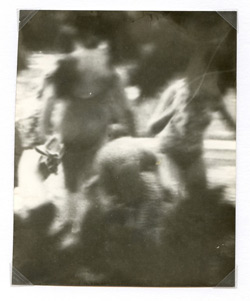
MIROSLAV TICHÝ
CET OBSCUR OBJET DU DÉSIR
Fotografie a kresby
Otevírací doby výstavy
čtvrtek - sobota 12 - 18 hodin
19. 1. - 3. 2. 2012
Vladimír Skrepl JAGUÁR,
MUSTANG
A PTÁK OHNIVÁK
7. 12. 2011 - 7. 1. 2012
PAVEL BRÁZDA
POKRAČOVÁNÍ LIDSKÉ KOMEDIE
Nové obrazy a grafiky
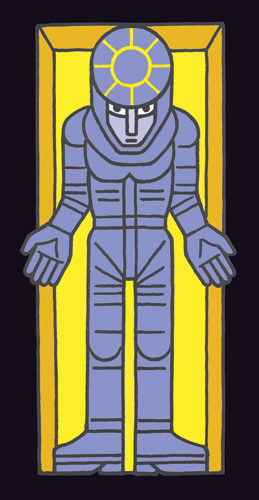
František Matoušek
KINDERTHERAPIE
27. 10. - 19. 11. 2011
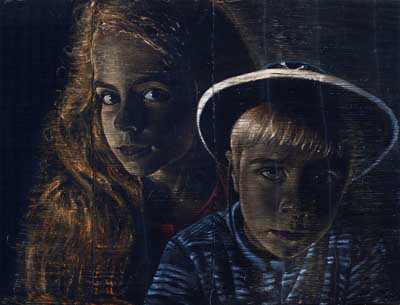
Pocta Janu Pavlíkovi – Dialogy mimo čas
Jano Pavlík / Rudo Prekop / Peter Župník
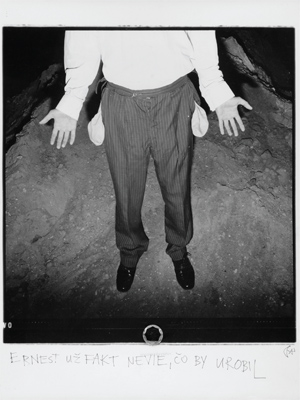
Jano Pavlík, Ernest už fakt nevie, čo by urobil, 1982-87, © dědicové
kurátorka: Lucia L. Fišerová
29. 9. – 22. 10. 2011
Evžen Sobek
PhotoStories
7. 9. - 24. 9.
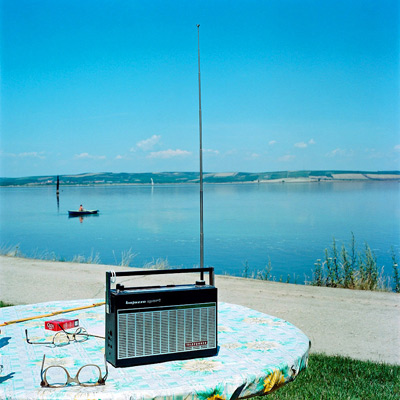
29. 6. - 23. 7.
Jan Pištěk - Živly

18. 5. – 25. 6.
Věra Nováková
Výběr z díla 1949 – 2010
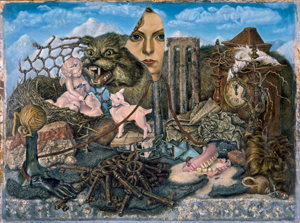
13. 4. - 30. 4. 2010
Rudo Prekop - Štěpán Grygar
17. 3. - 9. 4. 2010
Petr Písařík
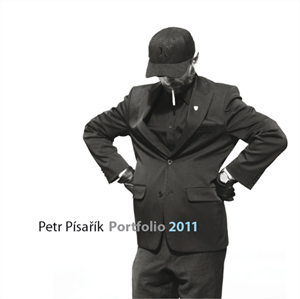
15. 2. - 5. 3. 2011
Ve vlastním stínu
Evžen Šimera - Michal Pustějovský

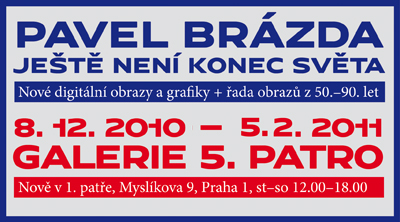
8. 12. 2010 - 5. 2. 2011
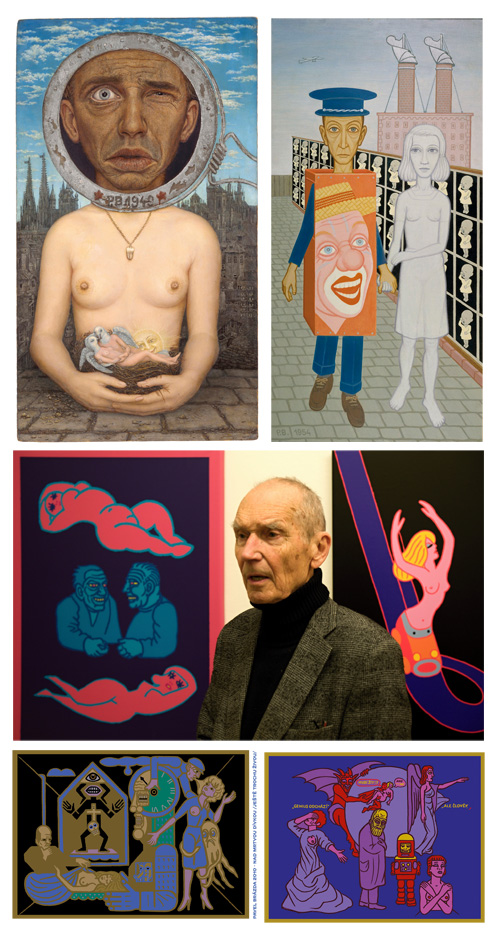
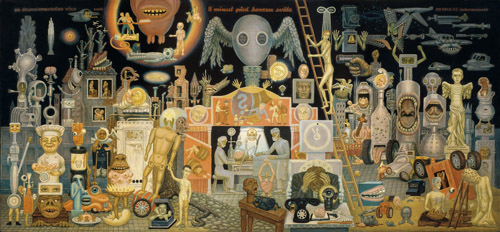
PAVEL BRÁZDA
Ještě není konec světa
Nové digitální obrazy a menší expozice tvorby z 50. až 90.let

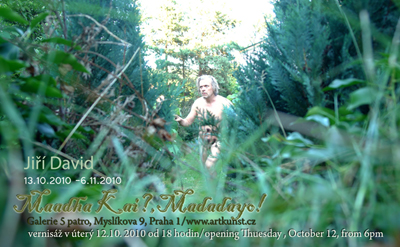
13. 10. - 6. 11.
Jiří David
Maadha kai? Madadayo!
8. 9. - 2. 10. 2010
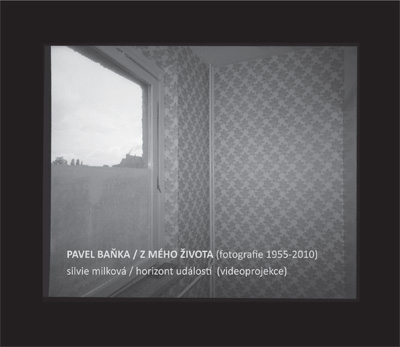
Pavel Baňka: Z mého života
Silvie Milková: horizont událostí / videoprojekce
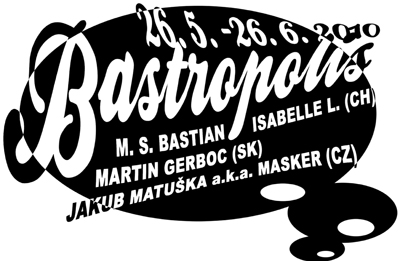
BASTROPOLIS
M. S. Bastian / Isabelle L. (CH)
Jakub Matuška aka Masker (CZ)
Martin Gerboc (SK)
26. 5. - 26. 6. 2010
Kovanda Jiří Petrbok
7. 4. - 1. 5. 2010
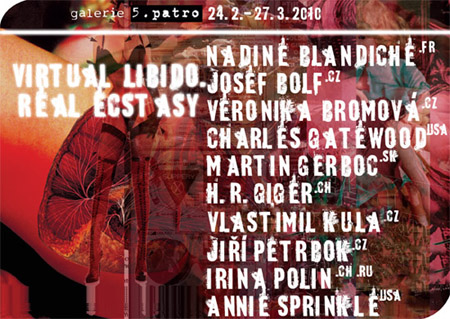
VIRTUAL LIBIDO, REAL ECSTASY Nadine Blandiche (FR), Josef Bolf (CZ), Veronika Bromová (CZ)
Charles Gatewood (USA), Martin Gerboc (SK), H. R. Giger (CH)
Vlastimil Kula (CZ), Jiří Petrbok (CZ), Irina Polin (CH/RU)
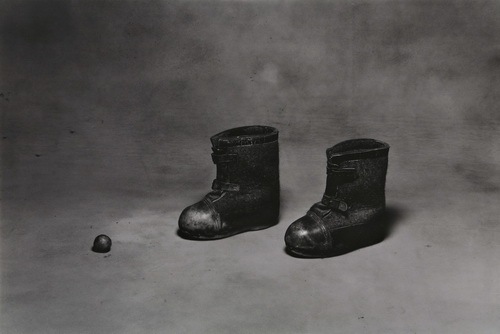
Ivana Lomová
Kočka a já
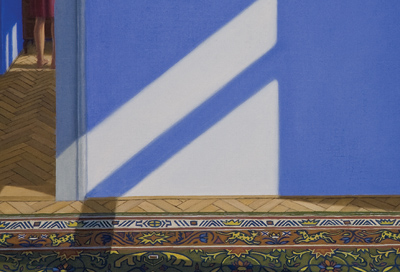
20. 1. - 13. 2. 2010
Ivan Pinkava - Off Axis
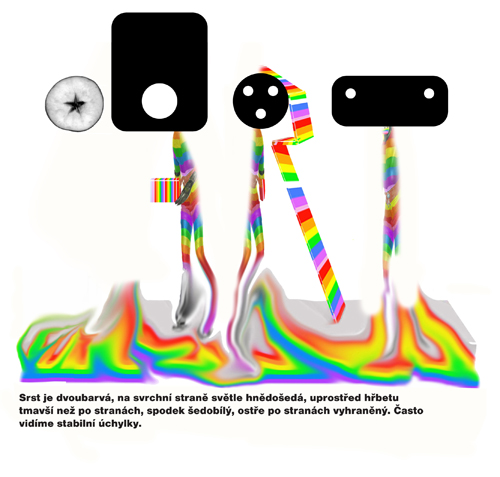
8. 12 2009. - 16. 1.2010
Petr Kvíčala
Flow
29. 10.– 21. 11. 2009
Štěpán Grygar
Fotografické série 2
8. 10.– 24. 10. 2009
Vladimí Skrepl
Zastřílet si pro zdraví!
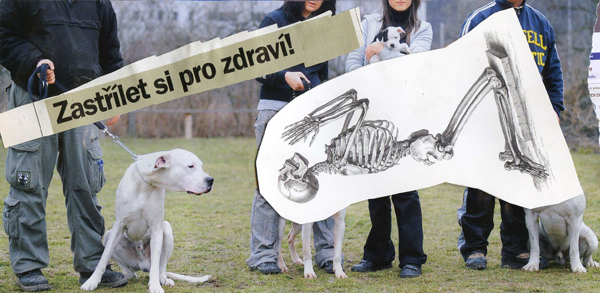
3.9 -26.9. 2009
Forgot your password?

Filin Krug & Markéta Bendová
1. 7. - 18. 7. 2009
Martin Gerboc & The Cabaret Brecht
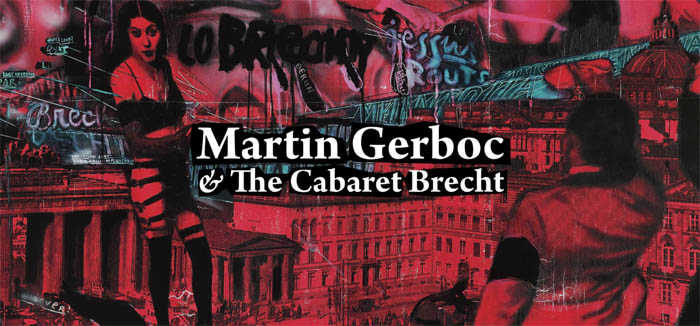
28. 5. - 20. 6. 2009
Tomáš Císařovský / Dorota Sadovská
NEÚNOSNÁ NĚHA / UNBEARABLE TENDERNESS
16. 4. - 8. 5. 2009

19. 3. 2009 – 11. 4. 2009
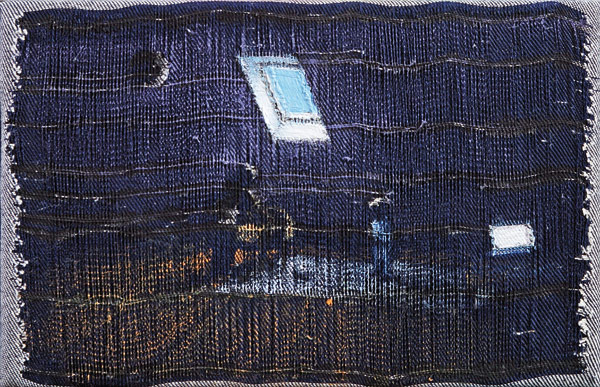
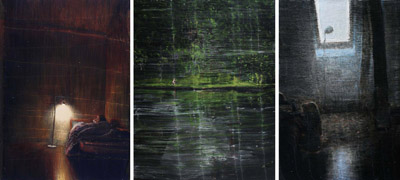
František Matoušek

6. 2. - 7. 3. 2009
Pavel Brázda
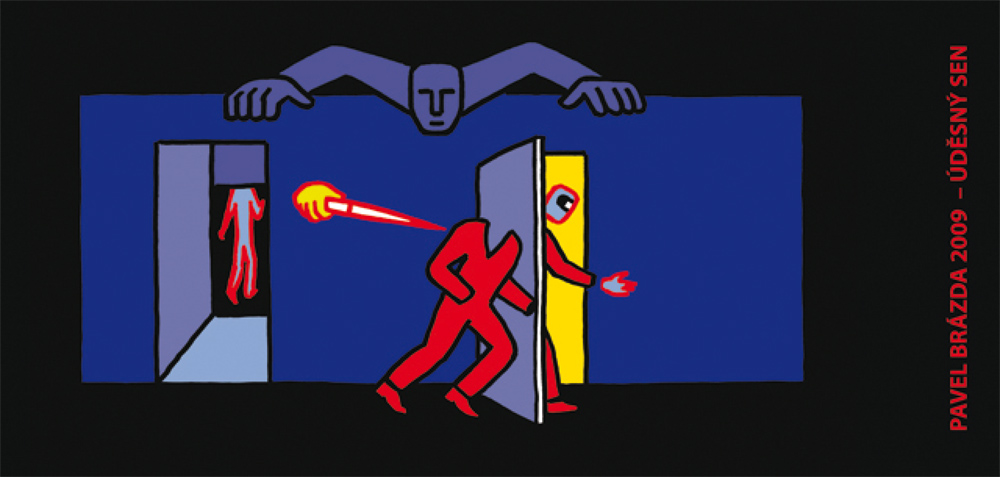
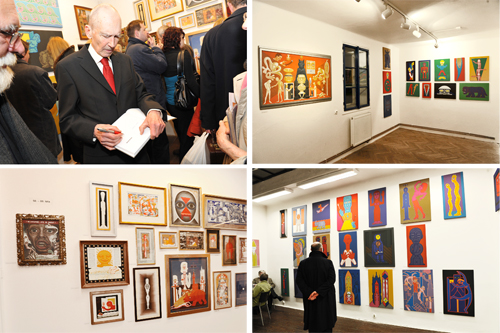
Ukázka z Lidské komedie
Nové obrazy a několik dřívějších, dosud nevystavených, z 50. až 80. let
UNBRAKE!
8. 1. - 31. 1. 2009
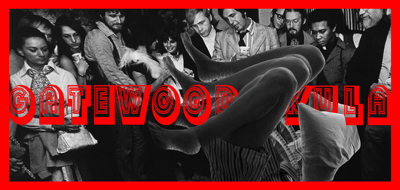
Charles Gatewood (USA) - Vlastimil Kula (CZ)
Fotografie
3. 12. - 20. 12. 2008
Svitky a mlhy
Eva Sakuma - obrazy
Petr Pastrňák - práce na papíře
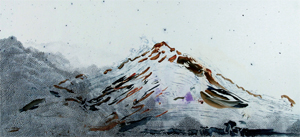
14. 10. 2008 - 8. 11. 2008
Inverzní romantika
Josef Bolf, Martin Gerboc, Jiří Petrbok
Kurátor: Petr Vaňous
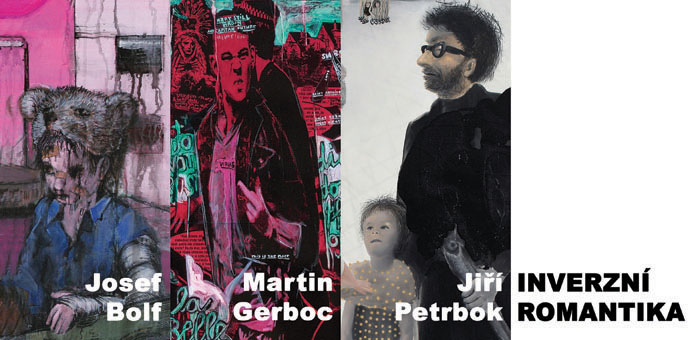
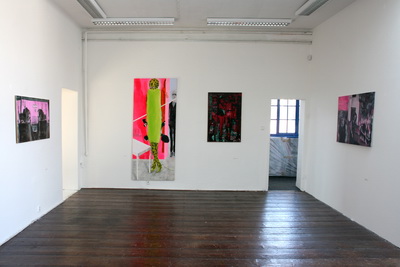
11. 9. 2008 - 4. 10. 2008
Jiří Kovanda
Okna, ryby, pelargonie
Práce na papíře 1980 - 1996

30. 7. 2008 - 30. 8. 2008
Jean-Marc de Wasseige, RED

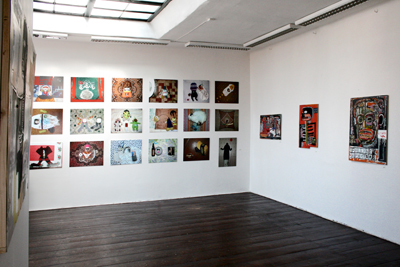
20. 6. - 12. 7. 2008
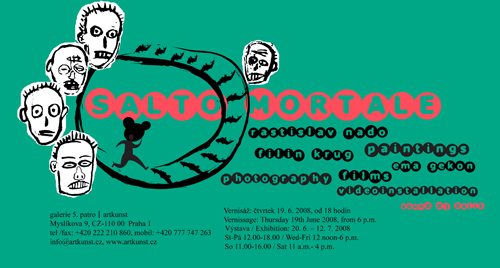
SALTO MORTALE
Rastislav Nado - paintings
Filin Krug - Ema Gekon
films, photography, videoinstallation
23. 4. 2008 - 17. 5. 2008
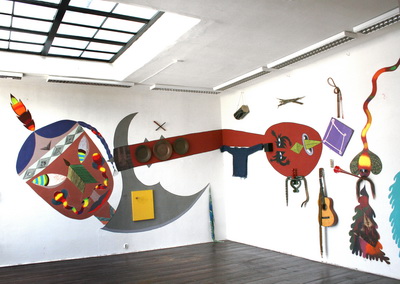
INDIE TWINS - Anežka Hošková, Jakub Hošek
Tejpci, kérky, kobry, zdarec, guláš, vercajk, údržba

14. 3. 2008 - 5. 4. 2008
DANIEL DVOŘÁK, JIŘÍ DAVID
Nic víc


1. 2. 2008 - 1. 3. 2008
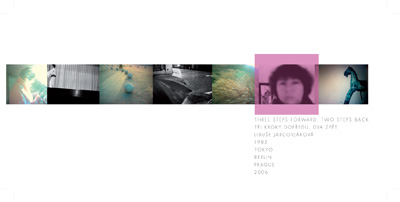
LIBUŠE JARCOVJÁKOVÁ
Tři kroky dopředu, dva kroky zpět
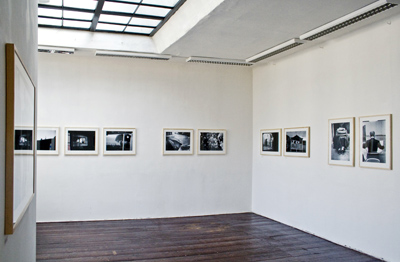
14. 12. 2007 - 26. 1. 2008
TOMÁŠ CÍSAŘOVSKÝ, JIŘÍ KOVANDA, PETR PASTRŇÁK
PRÁCE NA PAPÍŘE
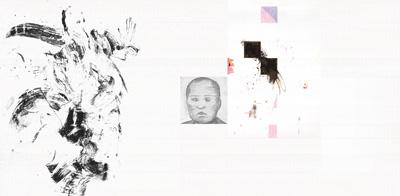
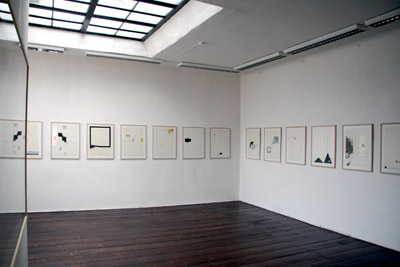
7. 10. - 17. 11. 2007
KATEŘINA DRŽKOVÁ - VIEWPOINTS
FOTOGRAFIE A VIDEOPROJEKTY 2004 -2007

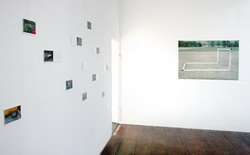
8. 9. - 6. 10. 2007
PETR KVÍČALA - NEJEN PRO OČI
OBRAZY A PRÁCE NA PAPÍŘE
11. 7. 2007 - 1. 9. 2007
OBRAZY A PRÁCE NA PAPÍŘE

M.S. Bastian (CH)
Tomáš Císařovský (CZ)
Ladislava Gažiová (SK)
Jakub Hošek (CZ)
Anežka Hošková (CZ)
David Ilinčev (CZ)
Michal Singer (CZ)
Vladimír Skrepl (CZ)
Jean-Marc de Wasseige (BE)
RETROUVÉ
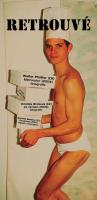 Walter Pfeiffer (CH), Metrocolor (2004)
fotografie
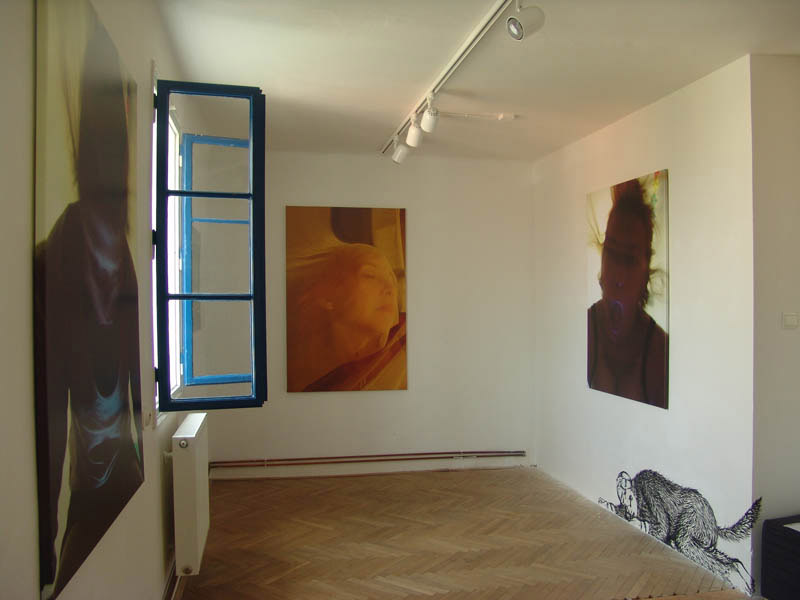
Veronika Bromová (CZ), Za závojem (2006)
fotografie
Markéta Bendová (CZ), Recognized (2007)
digitální fotoprojekce
Výstava spojuje fotografické projekty tří autorů různé generace s odlišným pohledem na lidskou existenci. Zdánlivě nesourodá díla odkazují na citlivé vnímání tělesnosti a intimní prožitky vlastního pojetí estetiky a krásy... přečtěte si tiskovou zprávu.

25. 4. 2007 – 27. 5. 2007
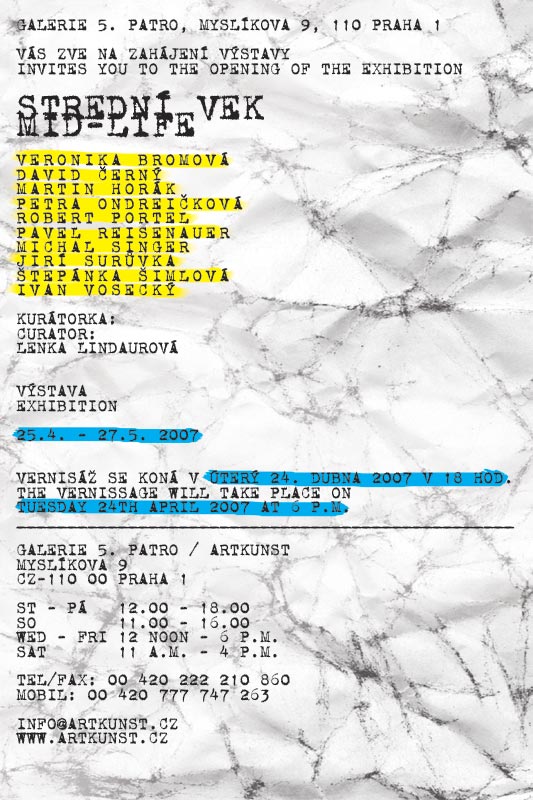
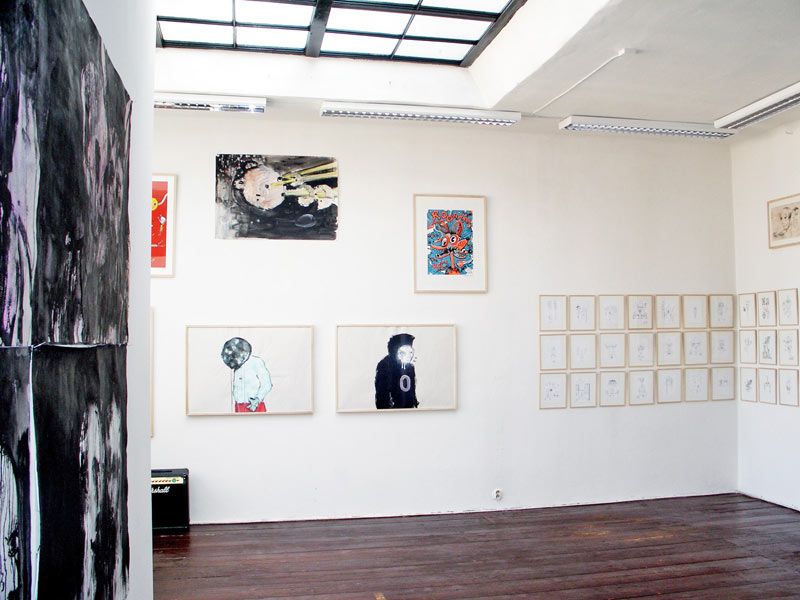
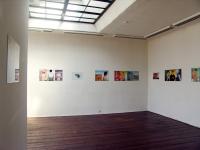
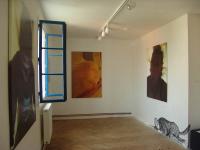
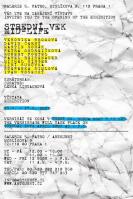
STŘEDNÍ VĚK
Veronika Bromová, David Černý, Martin Horák, Petra Ondreičková, Robert Portel, Pavel Reisenauer, Michal Singer, Jiří Surůvka, Štěpánka Šimlová, Ivan Vosecký
Kurátorka: Lenka Lindaurová
Vernisáž: 24. dubna 18.00


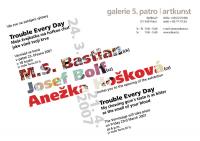
Trouble Every Day
Moje žvejkačka má hořkou chuť jako vůně tvojí krve
M. S. Bastian (CH) | Josef Bolf (CZ) | Anežka Hošková (CZ)
24. 3. 2007 - 21. 4. 2007
 Protože umění už nějaký čas nedefinujeme, skoro jsme zapomněli, proč ho vlastně děláme, proč vlastně existuje. Poloha, kterou v něm představují tři autoři projektu Trouble Every Day (Švýcar M.S. Bastian, Josef Bolf a Anežka Hošková), je jednoznačně ironická. Velké příběhy plné velkých slov ztratily význam; svět zprostředkovaný médii nám začal patřit jako by byl skutečný. Mezi námi a virtuální realitou se rozptyluje cosi, co můžeme definovat třeba jako umění. Jeho bezúčelnost, která ho učinila nesmrtelným, nás smiřuje s naší smrtelností. Podobnost či spíš jakási příbuznost prací vystavujících autorů spočívá v jejich čitelné komiksové formě, dalším společným přívlastkem může být psychedelický – dále se už ale tito umělci rozcházejí.
Bastian je typický postprodukční umělec pracující s vizuálními znaky pop kultury, které mu vyhovují. Podle svého si programuje znaky, figurky, slova, symboly a pohybuje se v nich jako na internetové síti od bodu k bodu, v nekonečném řetězci možností, v pohodlné, ale i trochu neurotizující kultuře užití, ve flusserovské telematické společnosti. Tento postup ho zbavuje nástrah estetizace i nástrah bezobsažnosti. Jeho tvorba se tak podobá jednomu dlouhému tripu; něco nám však říká, že nebude jen tak bez následků. Komiksový svět Bolfa je destruktivní. Jako by se v něm zachovaly zbytkové příběhy zahuštěné v podvědomí celé moderny. Těžko se u něho můžeme vzdát nějaké literární interpretace, svádí nás k ní. Jeho obrazy nás lapily jako pohled do očí Medúzy, takže není cesty pryč. Těžko říct, jestli je Bolf tak dokonale rafinovaný, a nebo jeho dílo vyjevuje v plné kráse všechny naše patologické myšlenky.
Hošková, nejmladší z trojice, nemá dosud žádné předsudky. Její umělecký svět je zabydlen nadšeně objevovanou symbolikou, vyplouvající z dějin, z nichž, jak známo, se nedá naučit nic jiného, než že se z nich nedá nic naučit. To ani autorka neočekává, proto jí tato svoboda umožňuje nekonečné vizuální excesy a jejich variace, ovlivněné současnou hudbou a street kulturou, v bezčasí přítomnosti. Každý den máme nějaký problém, také proto musí umění existovat. Tahle vypláznutá sebeironická forma, již reprezentují všichni tři umělci, nás svým způsobem také osvobozuje.
Lenka Lindaurová